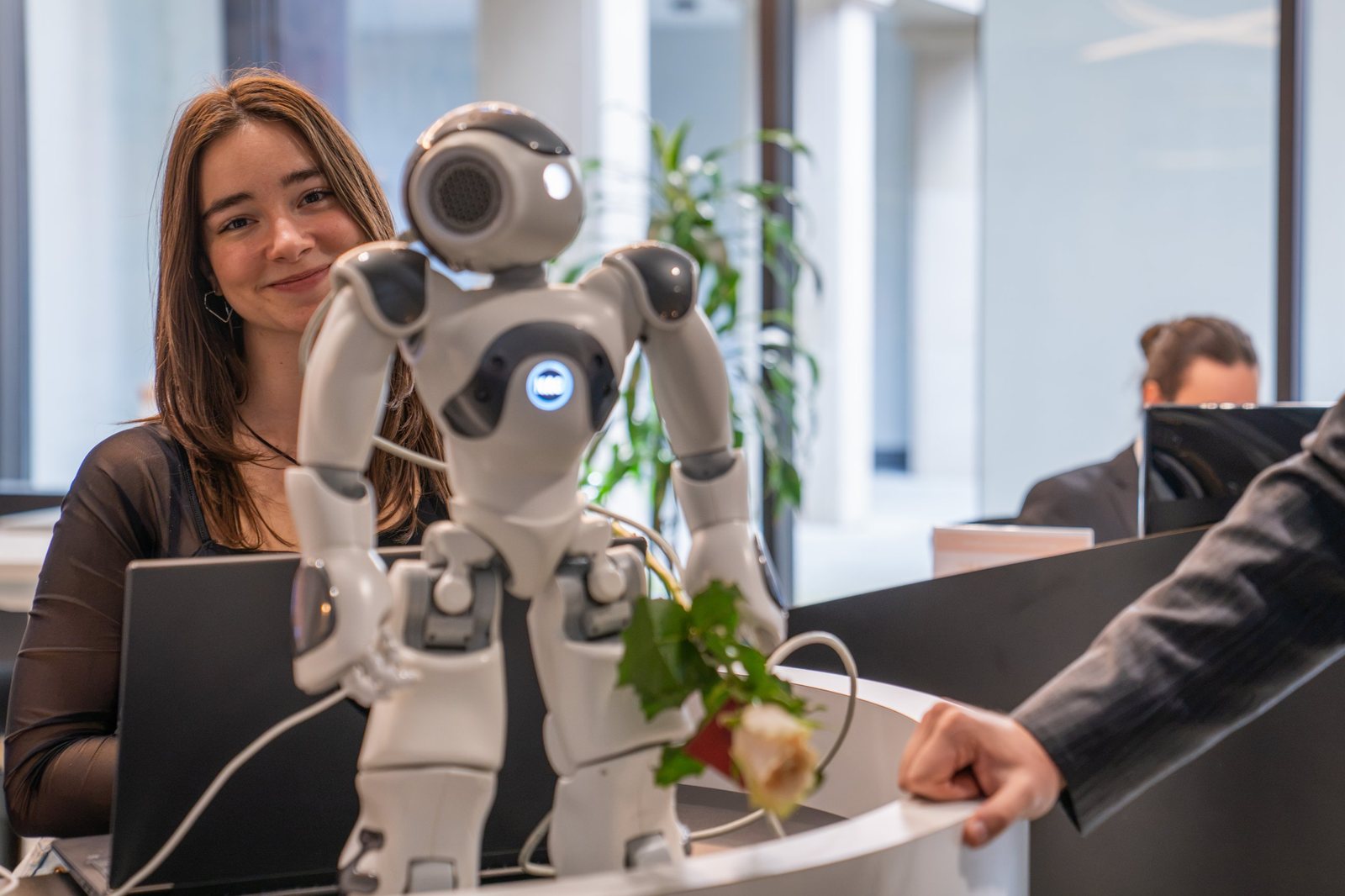
Research and application design
On the technical side, the project was mainly research and application design: finding the evidence and turning it into something that could work in real life.
Blog · May 2026
Five days at BUas, working in a team on a client brief about how shared spaces can feel better to be in, from the first briefing to the final pitch.
A BIP is a one-week intensive programme: students from partner universities come to a host institution and work in teams on a real brief. In May 2026 BUas hosted one, with Dentsu Lab Amsterdam as the client and BUas's Places & Flows Lab as collaborating lab.
The brief started from an observation: cities are getting denser and busier, and the places where you can simply be, without buying something or moving on, are disappearing. The question for the week was how we might use insights into movement, density and lived experience to design shared spaces that feel better to be in.
Each team chose one specific human problem inside that space crisis and had to say who is affected, what they struggle with, how an intervention would measurably improve their experience, and why it matters. The emphasis was not on visualising data but on turning insights into spatial and experiential design, using spatial and experience data from the lab, public datasets from Dutch cities, public data on retail environments, and research on third spaces.
The week opened in the BUas Chapel with a welcome, practical information, an introduction to BUas and the Applied Data Science & AI programme, and a small social media challenge: post about the week with the programme's hashtag, and the most creative and frequent poster wins a prize.
Then Dentsu Lab presented the brief to all five teams. After a lunch together we went to our team rooms for a first working session, and late in the afternoon each team made a short visit to the AI Makerspace.
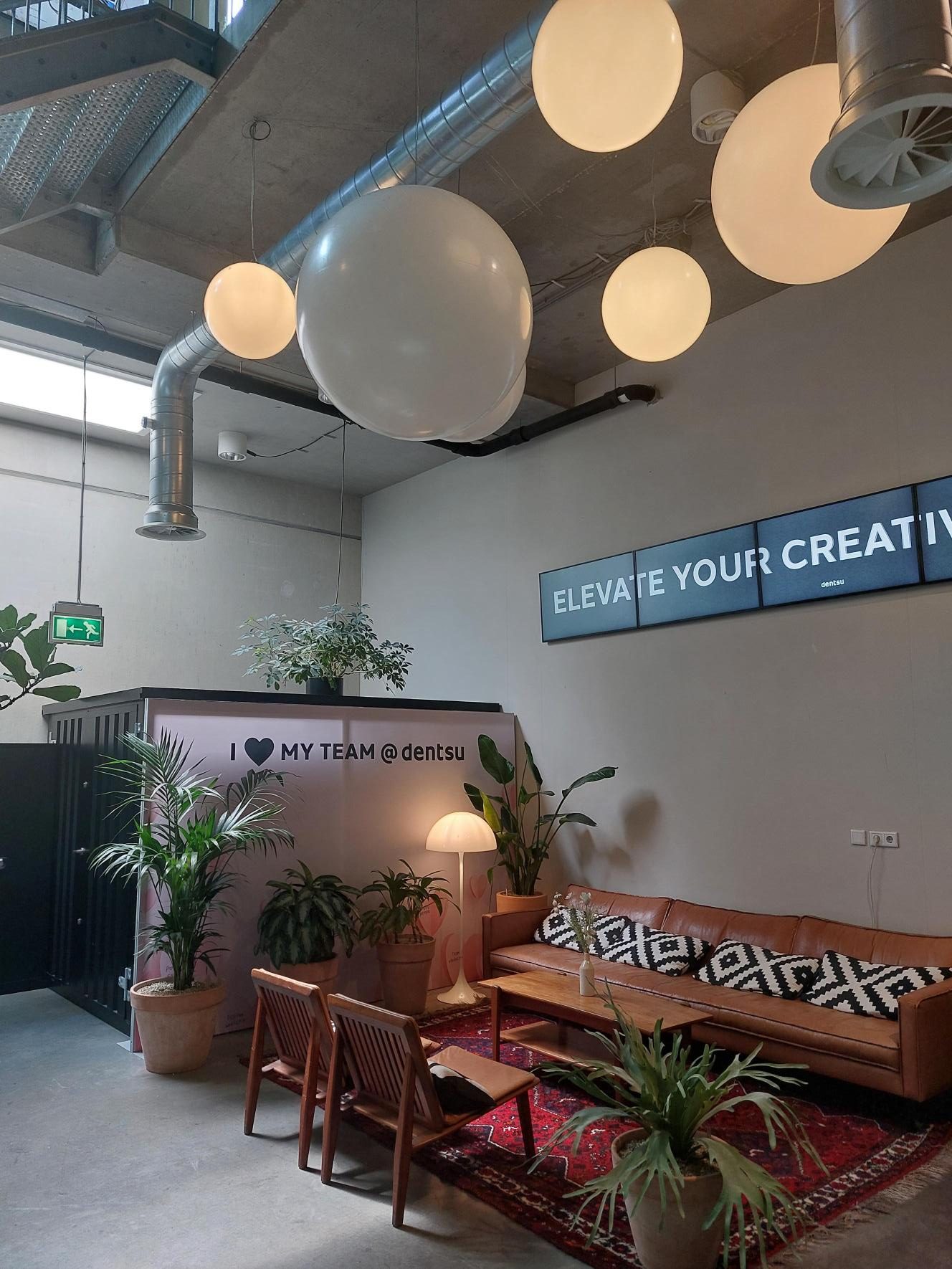
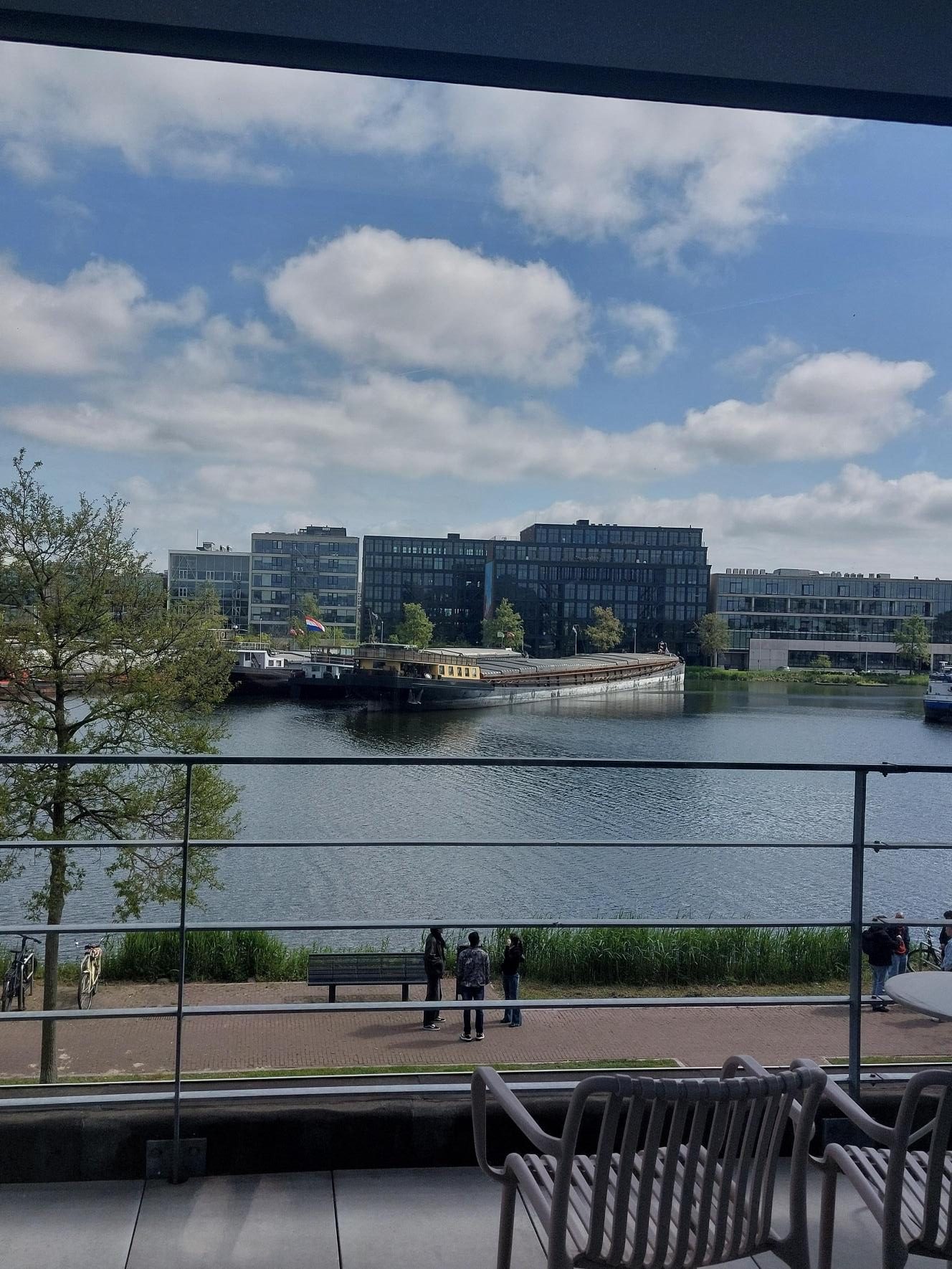
On Tuesday we travelled to Amsterdam for a company visit to Dentsu Lab, the client behind our brief. After the visit we had lunch in the city and some free time to explore.
I had read up on Dentsu Lab beforehand, and the more I read, the more I wanted to see it in person. It is dentsu's creative R&D lab, built on a simple idea: take a creative R&D approach to human behaviour and technology, and design experiences that move people. It started in Tokyo in 2014, and Amsterdam was one of the first global labs to open, in 2024.
What fascinated me most is how human-forward the work is. All Players Welcome, launched in 2022, builds tools and environments that let anyone express themselves, created together with people with disabilities, including a creator living with ALS. The lab has also worked on opening ceremonies for events like the Paralympics, and used algorithms and data visualisation to improve how sport is experienced.
What stayed with me most was the lab's outlier's perspective: the team deliberately steps outside the usual way of seeing a problem to open up new possibilities, and looks for answers through play. Coming from data and AI, where the obvious pattern is often the first one you follow, I found that a refreshing way to think.
Seeing it in person was even better than reading about it. We also met part of the AI team, who explained their work to us, and it was engaging and informative from start to finish. I came away impressed by the whole visit: the people, the projects, and how seriously they take the human side of technology.
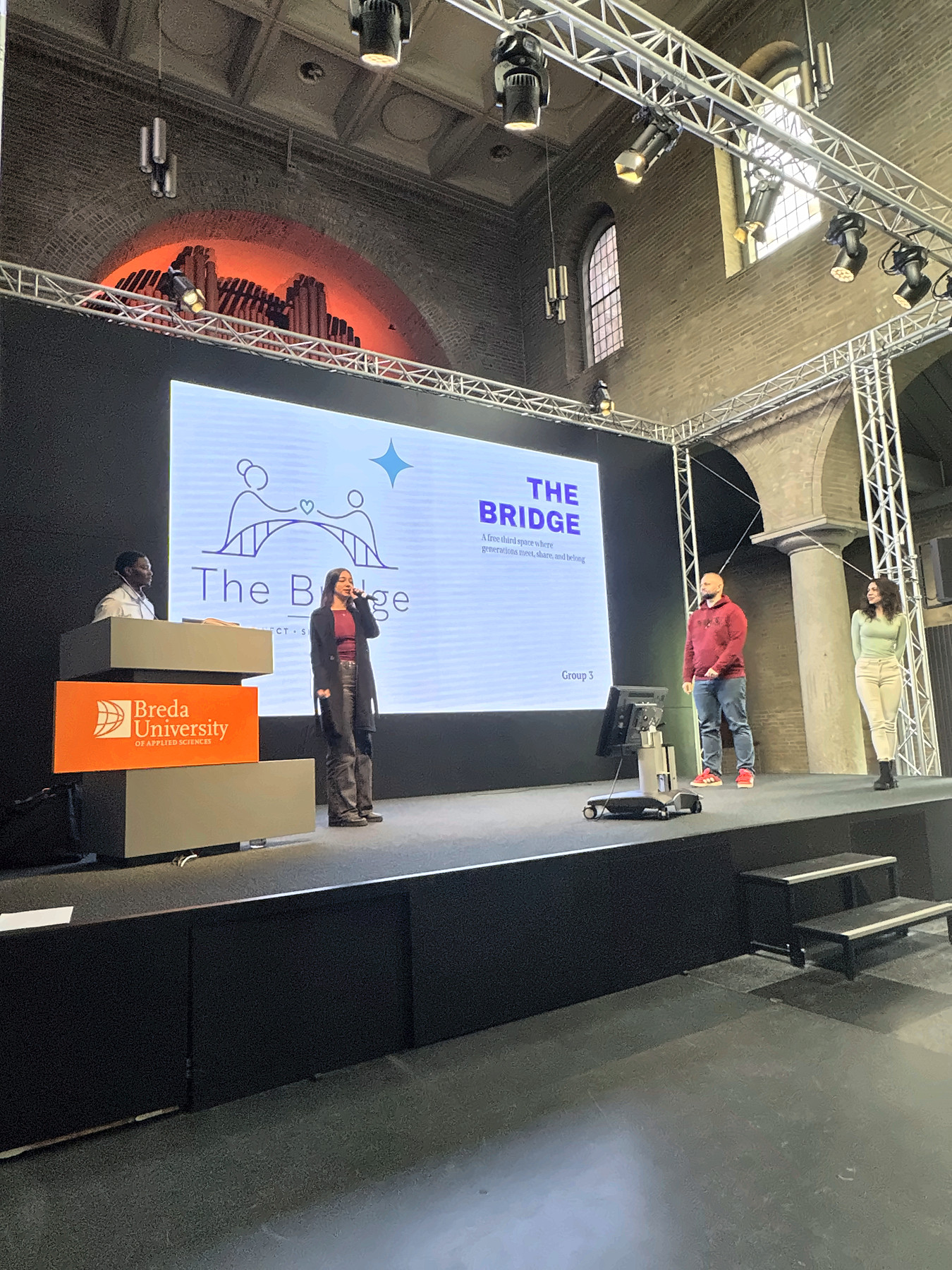
Wednesday was the day the project turned into research. By then we had settled on our idea, The Bridge: a free neighbourhood space where generations meet, share and belong, designed to tackle loneliness among older people. With a clear idea, we could break the work into research questions that each tested a different part of it.
My team and I split the research into separate topics that each fed the idea: how widespread loneliness among older people really is and what drives it, why third spaces are disappearing, why a space like this works psychologically, who already works in this area, and how to reach people who are not on social media. I took on the role of proposing the tasks and coordinating how we organised ourselves, so that each member owned a clear topic and we could bring the findings back together.
I had just studied how to do research, so this part felt natural. I knew how to turn the idea into questions, where to look for evidence, and how to tell a solid source from a weak one.
In the evening the programme stepped away from the brief for the Borrel Boat, a traditional Dutch social gathering on a boat, here a one-hour trip along the canals of Breda.
Another working session in the team rooms in the morning. In the afternoon the Young Talents International Conference (YTIC) took place in the Chapel, followed by a fun activity at The Light House, and in the evening the students' night at Studio Dependance.
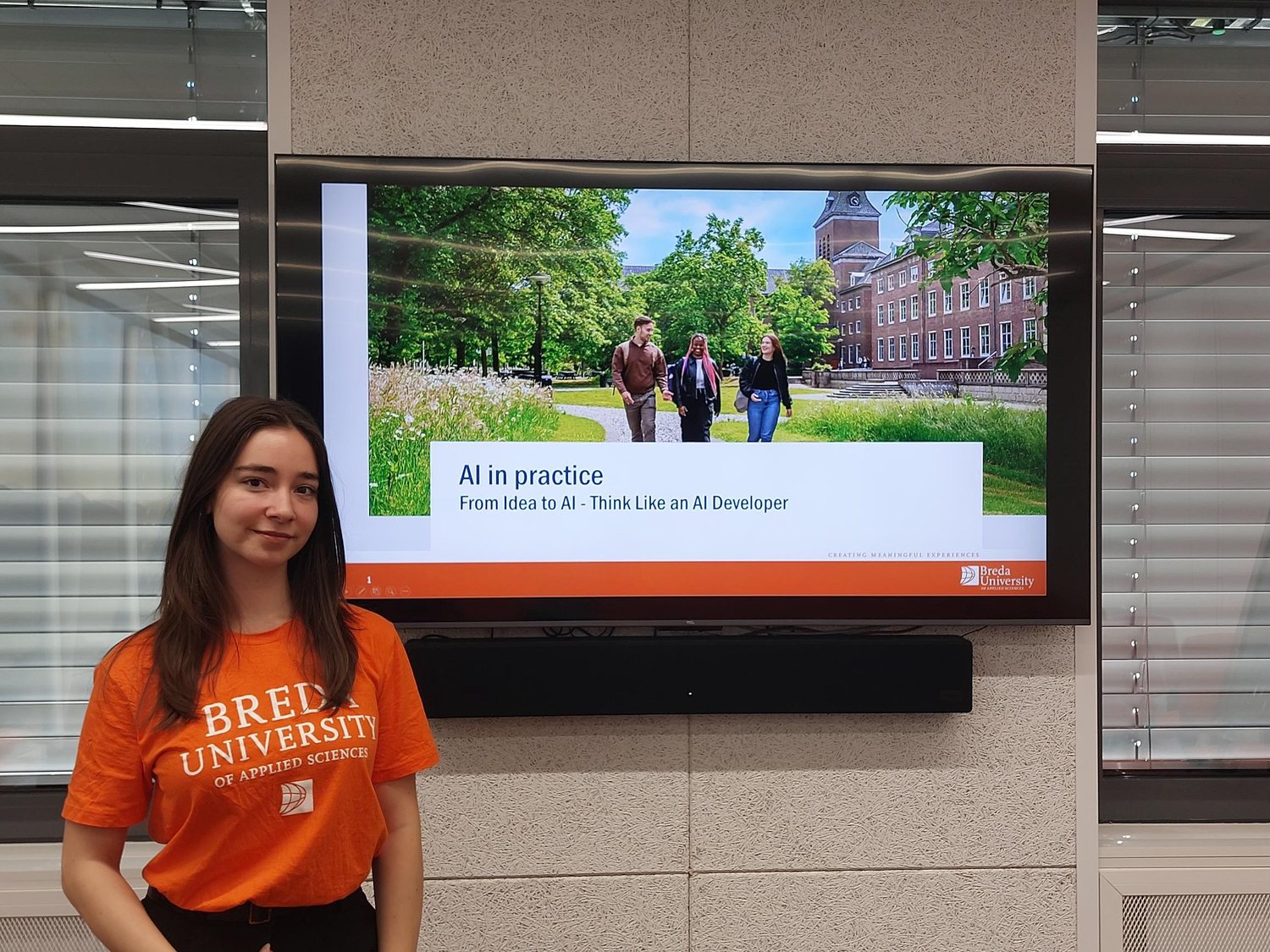
Thursday was also the day I presented my poster on temporal degradation in object detection: how much of a detector's drop on historical street photos comes from image quality, and how much from objects that simply looked different. You can read more about the project on the project page.
The last day began with one more working session, followed by the final presentations in the Chapel. Each team pitched its concept to Dentsu Lab, the winners were announced, and the week closed with a lunch together.
Our presentation was titled The Bridge, and the reaction from the client was amazing. Their feedback was that the idea was well structured, well researched and feasible, and that it was original and fresh. They were very impressed.
Speaking in front of a bigger audience turned out to be a pleasure for me, and I am personally very proud of the pitch.
The brief set the shape of the pitch: every team handed in the same five things.
On the technical side, the project was mainly research and application design: finding the evidence and turning it into something that could work in real life.
I am a person who plans and organises, and in this team that gave the people around me the freedom to express their ideas and findings. It showed me that managing a team, organising and supporting is a role that suits me, and that it helps others thrive.
The project brought together people from different countries and backgrounds, who built a complete idea in a short time. The ideas that came out of our group discussions are what earned such an amazing reaction from the client.
I'm open to internships in data science, machine learning and data engineering for February 2027. Email is the quickest way to reach me.